Omarchy inspired me to rethink my Mac. SummonOS is what I'm building: native tools and keyboard-driven workflows where agents work with the system—not just another chat window.The part of Omarchy that interests me isn't only how it looks. It's the sense that the desktop has a point of view. The shortcuts, tools and conventions belong together. And when an agent helps change something, the system can give it a map: supported commands, places where customization belongs, and guidance about how to check the result.I wrote about that idea in my Omarchy article. SummonOS is my attempt to explore it on macOS. It isn't a replacement operating system. It's a layer built around the Mac's existing capabilities.
Bring the agent into the workflow
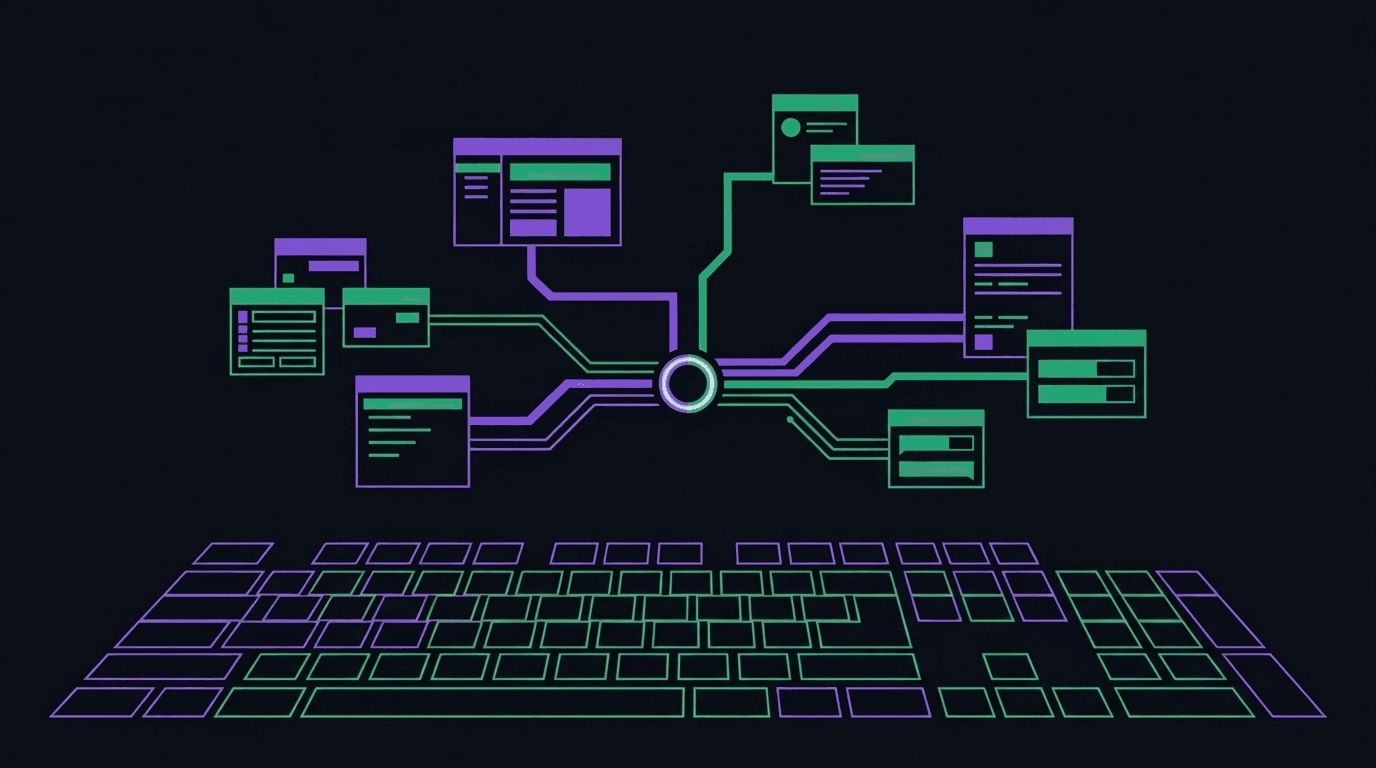
A chat window is useful for discussing a problem. But discussion and changing the computer are different things.For an agent to help shape a desktop, it needs more than the ability to suggest commands. It needs a way to inspect the actual system, understand which operations are supported, and check what happened after a change. We need to be able to follow that work too.That's the relationship I want to build around. Summon an agent from the keyboard when there's something to do. Give it tools that fit the machine. Keep the operation inspectable instead of treating a confident answer as proof that the job is finished.Keyboard-first matters here because the agent should fit into the workflow already happening on the computer. It shouldn't require every small task to become a trip into a separate application and a new conversation.
Small tools, shaped around a person
The other part of the idea is what happens when making a small application becomes a practical response to a small need.We often adapt our work to the software available. Sometimes that's sensible. Sometimes the thing we need is much smaller than a product: a menu bar view, a focused utility, or a shortcut that joins a few operations together.I want SummonOS to make that kind of personal software easier to build. Native tools matter to that goal. A small Mac utility should belong on the Mac—in its menus, windows and keyboard interactions—rather than feeling like a web page put somewhere convenient.The project links examples including a breathing guide, a menu bar calendar and a network utility. They're concrete examples of the scale I'm interested in: tools with a specific purpose, rather than an ambition to become the place where all work happens.The application and the agent also have different jobs. An agent can help build a native tool without every subsequent use of that tool needing another model response. Local application execution, however, doesn't mean the model used to build it runs locally.
Give the system an interface
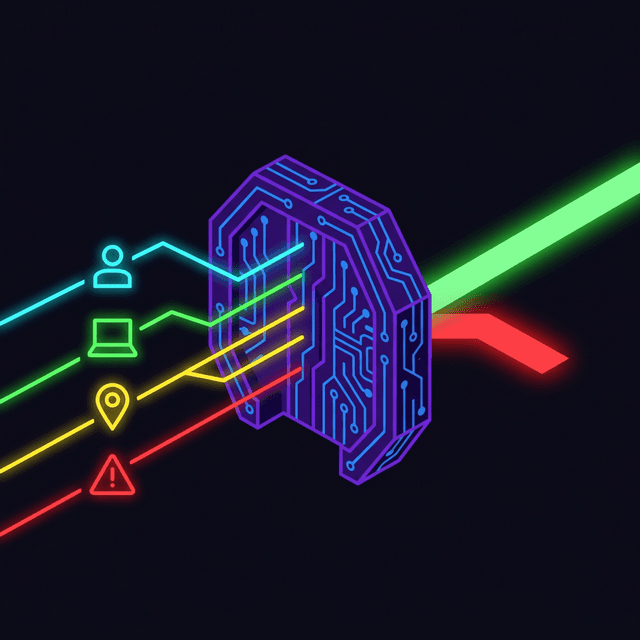
The SummonOS repository brings together three pieces of that experiment.Summon provides the keyboard and menu entry points for calling a coding agent. Its documented capabilities include session checkpoints, recurring tasks, crash and hang handoff, and templates for building native tools.macctl gives agents a CLI for reading and changing supported macOS settings. It exposes operations such as reading, setting, comparing, applying and undoing settings, with snapshots before changes. The point is to give system changes a defined interface instead of making every request a fresh exercise in guessing how macOS works.Agent skills provide guidance for planning, designing, building and verifying native Mac applications. A general coding agent still needs context about the platform and the project's conventions. The tools expose operations; the guidance helps the agent use them appropriately.That combination is what I want to carry over from Omarchy. Not its Linux components, but the idea that the environment itself can help an agent work within it.
Recovery belongs in the design
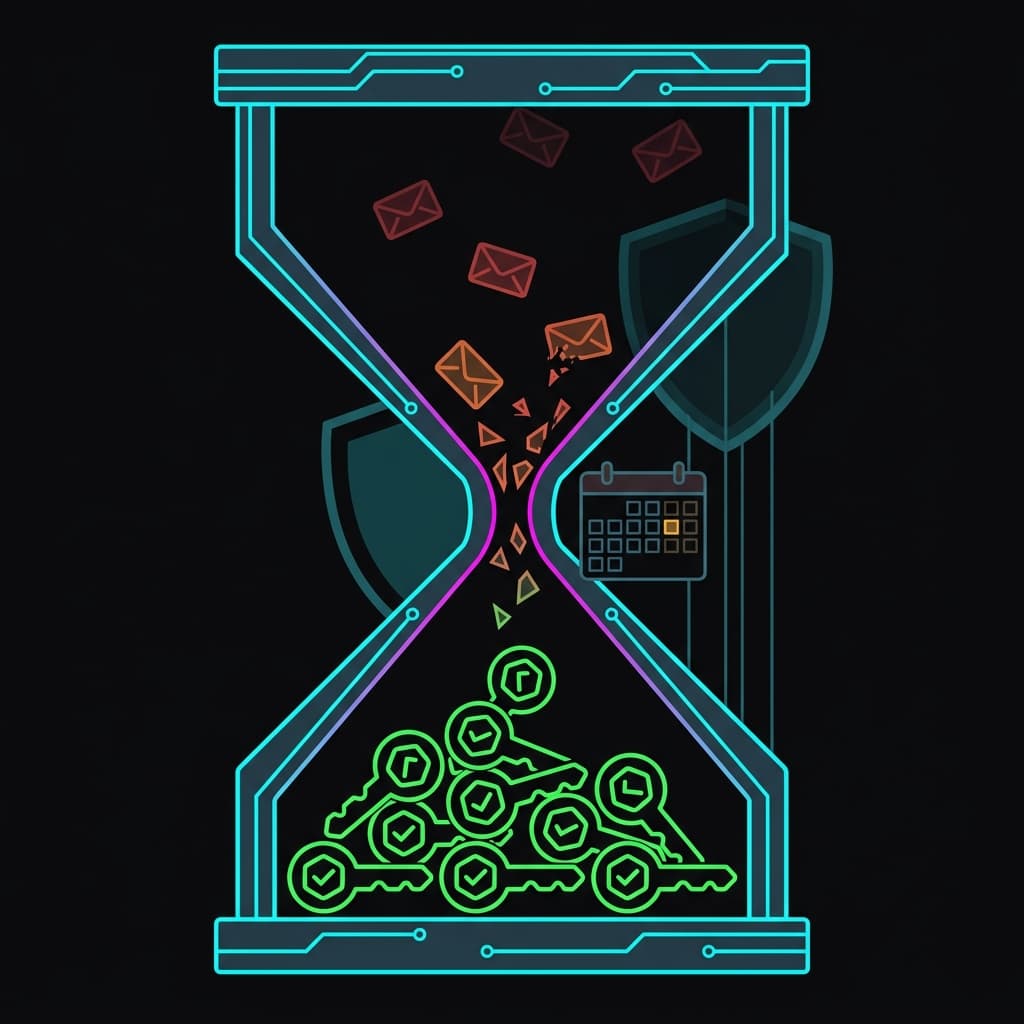
An agent changing the computer has consequences beyond the conversation. A wrong setting can disrupt the workflow it was supposed to improve.SummonOS documents recovery for supported settings and successfully captured configuration files. That is a limited recovery path, not a full-machine rollback or a guarantee that every action can be undone. Permissions, inspection and verification still matter. The repository's security and recovery model is part of understanding the project, especially before enabling unattended agents.The goal isn't to make those boundaries disappear. It's to build a workflow where they remain visible while useful work gets easier.
An experiment, not a finished desktop
SummonOS is still an idea in progress. Parts work today; plenty does not. I'm describing a direction I'm building toward, not a finished replacement for the way everyone uses a Mac.The question behind it is simple: how much more personal could our computers become if we could collaborate on changing them through tools that understand the system?That's what I want to find out on my Mac.